Demand Side Management:
"Towards a Carbon Neutral Community"


( This website can be clearly viewed at screen resolution: 1152x864. However, a higher resolution is recommended )


Introduction

Energy efficiency has become one of the most important issues facing the building industry and growing public and political awareness has reflected these concerns. The main reasons for the rise in importance in lowering energy demand comes from three main sources:

  • Climate Change. Despite some vocal sceptics, the overwhelming scientific consensus is that anthropogenic causes are exacerbating the natural cycles of warming /cooling.
  • Energy Security. Oil, gas, and uranium ore are all finite sources that tend to be sourced from politically volatile regions in the world. Estimates of when ‘peak demand’ vary but it is safe to assume that these supplies will become scarcer within our lifetimes. The combination of scarcity and political instability will increasingly affect security of supply.
  • Economic. Collectively and individually, financial savings can be made once energy efficiency measures have been installed in to buildings. Lowering business and domestic energy costs will lead to savings and increase efficiencies . Increasing volume of demand for energy efficiency technologies will lead to growth industries benefiting the larger economy.

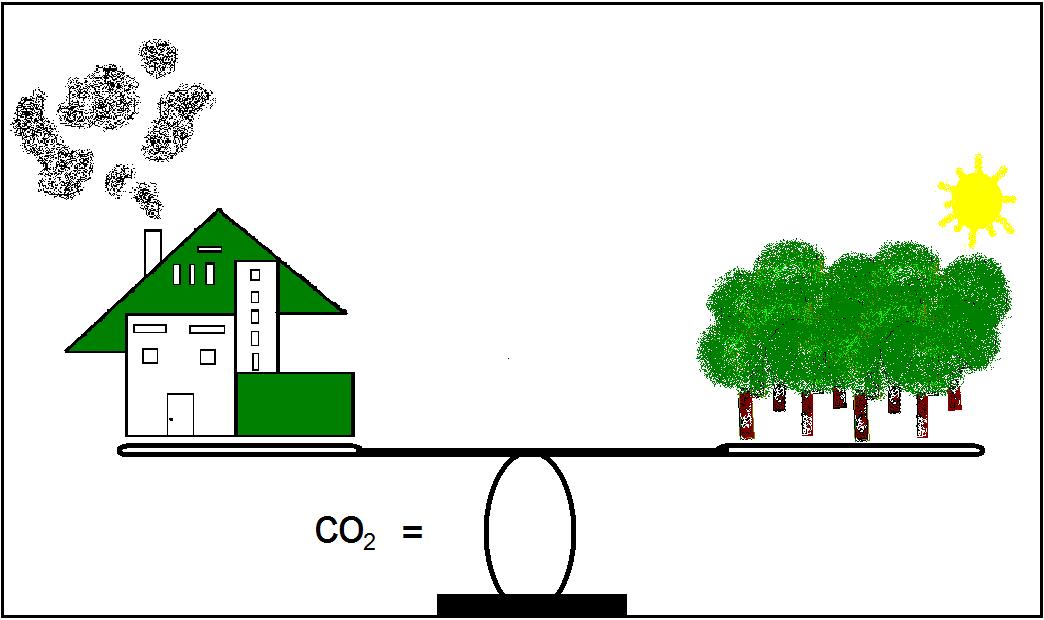
The Riverside Community of Stirling, Scotland have decided in 2007 to start reducing their energy and carbon dioxide emissions in order to become a zero carbon neutral community. They are members of the Carbon Neutral Network, an organisation started in Ashton Hayes- the pioneer village in this new community based movement.

In 2007 the Riverside Community approached the WISE Group for funding and advice, who then contacted Strathclyde University where it has become the second term project for the MSc Energy Systems & the Environment postgraduate class. Using as a case study the Riverside community, the group was able to form a greater methodology identifying three main steps for communities to reach their goals in becoming Carbon Neutral. These steps are outlined below:


It is the hope of the Energy Systems and the Environment project team that the information contained in this website will contribute to the relevant field.

Please feel free to use any of the findings presented to further your own study, making due acknowledgement where appropriate.