Hydroelectric plants have a number of environmental effects stemming from the
change in water patterns and flow to damaging effects of turbines on fish.
A hydroelectric dam can leave too little water downstream.
Maintaining river’s ecology: especially where water is diverted to the turbine is a issue.
Only necessary quantity of water as required for the system should be diverted for the system
and certainly no more than that with which the river's ecology can cope.
Guidelines regarding the quantity of water which can be diverted is decided upon inspection
and looking at various local environmental aspects which may be prevalent locally
by the
Environment Agency or SEPA (Scotland).
Water returning to the river can be too warm and may not contain enough oxygen for the ecosystem.
Dams can also prevent fish from swimming upstream to spawn or migrating downstream to oceans.
Fish can also be damaged or killed in turbines or by turbulence from the turbines.
However, much advances have been done to mitigate these effects and lessen the environmental impact.
Fish ladders help fish swim upstream, while screens, are used to guide fish away from turbine
intakes and towards spillways or safe passages downstream. Water management,
aeration are employed to ensure that rivers downstream receive an even flow of oxygenated water.
New, fish friendly turbines have been developed to reduce damage to fish and can typically
pass 85% to 95%
of fish safely.
Another issue is the turbine noise and its potential effect on
nearby residents and wildlife, however this issue too can be easily mitigated by installing adequate
sound proofing
for the turbine house.
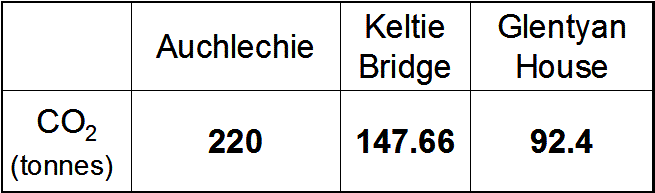
Below is the table showing the approximate amount of carbon dioxide emmissions which can reduced, if the sites we are studying
start generating electricity.