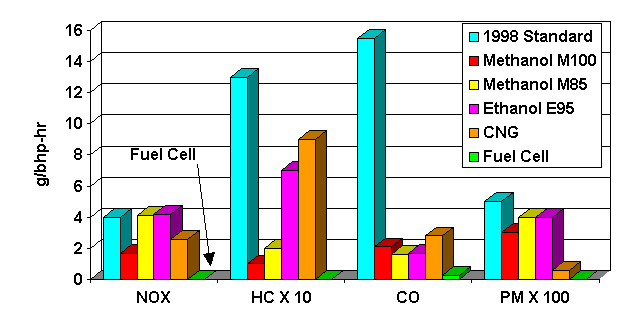
The environmental impacts of fuel cells depend on the fuel used. If pure hydrogen is used, fuel cells have virtually no emissions except water. As mentioned before, hydrogen is not often used due to problems with storage and transportation, but in the future many people have predicted the growth of a 'solar hydrogen economy' known as water electrolysis. In this case fuel cell powered vehicles or generating stations would have no real emissions of greenhouse or acid gasses, or any other pollutants.
Comparison of Pollutant Emissions of Vehicle Power Systems as compared to the 1998 Standards
When methanol from biomass is used as a fuel, fuel cells have no net emissions of carbon dioxide. Any high temperature combustion, such as that which would take place in a spark ignition engine fuelled by methanol, produces NOx gases which contribute to acid rain. Fuel cells virtually eliminate NOx emissions because of the lower temperature of their chemical reactions.
Fuel cells, using processed fossil fuels, still have emissions of CO2 and sulphur dioxide but these emissions are lower than those from traditional thermal power plants or spark ignition engines because of the higher efficiency of fuel cell power plants. Higher efficiencies result in less fuel being consumed to produced a given amount of electricity.